If you are looking for high-quality products, please feel free to contact us and send an inquiry, email: brad@ihpa.net
Introduction to Penetrating Seal Healing Representatives: A Critical Innovation in Concrete Protection
Permeating seal healing agents (PSCAs) have actually become a transformative service in concrete technology, using double advantages of surface area sealing and interior hydration improvement. Unlike typical membrane-forming treating substances, PSCAs penetrate deep right into the concrete matrix, responding chemically with cost-free lime and various other by-products to form insoluble crystalline structures. This response not only seals micro-cracks and capillary pores but additionally boosts compressive strength and long-term longevity. As infrastructure demands grow for even more resilient and sustainable materials, PSCAs are playing an increasingly important role in prolonging the life span of concrete structures.
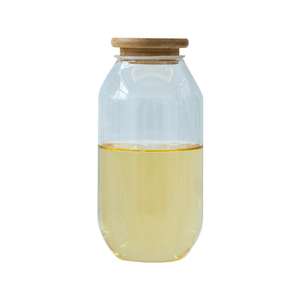
(Penetrating Seal Curing Agents)
Chemical Composition and Working Device
Passing through seal healing agents are commonly composed of silicates– most typically lithium, sodium, or potassium silicates– together with reactive stimulants and surfactants that boost infiltration depth and chemical sensitivity. Upon application, these representatives penetrate the porous framework of fresh or hardened concrete and react with calcium hydroxide, a byproduct of concrete hydration, to develop calcium silicate hydrate (C-S-H) gel and insoluble crystalline precipitates. These formations efficiently block water access, chloride ion penetration, and carbonation, which are primary reasons for concrete destruction. The self-sealing capacity of PSCAs makes them especially beneficial in hostile atmospheres such as marine frameworks, wastewater treatment plants, and bridge decks.
Advantages Over Standard Curing Techniques
Standard curing methods, including damp burlap, ponding, and membrane-forming compounds, typically drop short in terms of effectiveness, labor strength, and environmental influence. In contrast, permeating seal treating representatives offer a much more effective, sturdy, and green choice. They do not evaporate or degrade with time, removing the need for repeated applications. Furthermore, due to the fact that they chemically bond with the concrete substratum, PSCAs offer permanent defense without altering surface aesthetics or slide resistance. Their usage additionally contributes to energy savings by lowering the need for repair and maintenance, therefore lowering the lifecycle cost of concrete frameworks.
Application Throughout Infrastructure and Industrial Sectors
The convenience of passing through seal healing agents has actually brought about their adoption throughout a wide variety of building and construction applications. In framework jobs such as freeways, flight terminals, and tunnels, PSCAs aid safeguard against freeze-thaw damages, deicing chemicals, and abrasion. In commercial flooring, they improve dust-proofing and put on resistance, boosting interior air quality and reducing upkeep downtime. Residential and industrial buildings benefit from enhanced dampness resistance in foundations, basements, and parking lot. Furthermore, their compatibility with different kinds of concrete– including green concrete with high fly ash or slag material– makes them a preferred choice for lasting building practices intending to lower symbolized carbon.
Market Trends and Technological Developments
The worldwide market for passing through seal curing representatives is expanding as a result of increasing need for high-performance building products and more stringent regulative standards on structure longevity and sustainability. Manufacturers are investing in R&D to create next-generation PSCAs with enhanced penetration deepness, faster reaction kinetics, and minimized application times. Developments include crossbreed formulations that combine silicate-based chemistry with nano-silica or polymer-modified systems, providing superior efficiency in extreme conditions. Additionally, wise delivery systems such as fogging and low-pressure spray modern technologies are being adopted to make sure consistent protection and optimum material use. Digital tools like dampness sensing units and anticipating analytics are additionally being incorporated to monitor healing effectiveness in real-time.
Environmental Effect and Sustainability Considerations
Passing through seal treating agents are typically considered environmentally benign compared to solvent-based sealers and traditional treating membrane layers. The majority of formulas are water-based, non-flammable, and discharge minimal unpredictable organic substances (VOCs). Nonetheless, issues continue to be regarding the sourcing of raw materials and the potential for alkalinity-related effects throughout manufacturing. To address these issues, scientists are discovering bio-based activators, recycled silicate resources, and low-carbon synthesis routes. Additionally, the extended service life of treated concrete minimizes the frequency of demolition and reconstruction, lining up with circular economy principles and contributing to overall carbon reduction in the developed environment.
Future Outlook: Smart Materials and Integrated Solutions
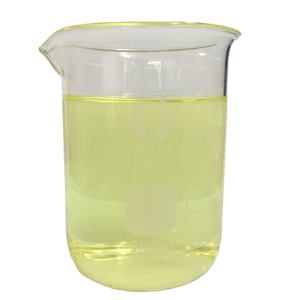
( Penetrating Seal Curing Agents)
Looking in advance, the evolution of penetrating seal healing representatives will be driven by improvements in nanotechnology, smart materials, and digital assimilation. The advancement of receptive PSCAs that can adapt to altering ecological problems– such as humidity-triggered activation or self-healing actions– can revolutionize concrete upkeep strategies. Integration with Structure Details Modeling (BIM) and Internet of Things (IoT)-made it possible for monitoring systems will certainly allow for data-driven choices on material efficiency and upkeep scheduling. As cities encounter increasing environment stress and maturing framework, the fostering of advanced treating innovations like PSCAs will be essential in making sure architectural resilience and longevity for future generations.
Supplier
TRUNNANO is a supplier of boron nitride with over 12 years of experience in nano-building energy conservation and nanotechnology development. It accepts payment via Credit Card, T/T, West Union and Paypal. Trunnano will ship the goods to customers overseas through FedEx, DHL, by air, or by sea. If you want to know more about potassium silicate, please feel free to contact us and send an inquiry(sales5@nanotrun.com). Tags: concrete addtives, Penetrating Seal Curing Agents, Lithium-Based Curing Agent Seal Concrete Agent
All articles and pictures are from the Internet. If there are any copyright issues, please contact us in time to delete.
Inquiry us