If you are looking for high-quality products, please feel free to contact us and send an inquiry, email: brad@ihpa.net
Introduction to Surfactants
Surfactants, or surface-active agents, are substances that lower the surface stress between 2 fluids, a gas and a liquid, or a fluid and a strong. They play an important duty in different sectors, from cleansing items to drugs. Recognizing surfactants’ residential or commercial properties and applications can unlock brand-new possibilities for advancement and effectiveness.
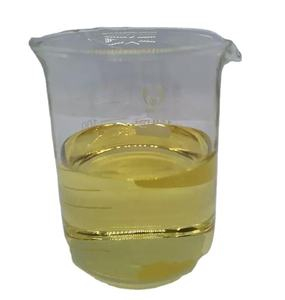
(Surfactants)
Kinds of Surfactants and Their Distinctions
Anionic Surfactants
Anionic surfactants lug a negative fee on their hydrophilic end. This type is known for its excellent detergency and lathering homes. Common instances consist of sodium lauryl sulfate (SLS) and sodium laureth sulfate (SLES), commonly made use of in hair shampoos and detergents. Their efficiency at removing oils and dirt makes them preferred in cleansing items. Nonetheless, they can be annoying to the skin and eyes.
Cationic Surfactants
Cationic surfactants have a favorable charge on their hydrophilic end. They are less common in cleansing items as a result of their limited ability to remove dirt. Instead, cationic surfactants are valued for their antimicrobial residential or commercial properties and are typically located in fabric conditioners and conditioners. Instances consist of benzalkonium chloride and cetrimonium bromide.
Nonionic Surfactants
Nonionic surfactants do not have an electrical fee. They are functional and steady in both acidic and alkaline atmospheres. These surfactants are commonly made use of in household and industrial cleansers as a result of their excellent solubilizing and emulsifying buildings. Instances include alcohol ethoxylates and alkylphenol ethoxylates. They are likewise made use of in the food sector as emulsifiers.
Amphoteric Surfactants
Amphoteric surfactants have both positive and unfavorable costs, making them conscious pH adjustments. At reduced pH levels, they act like cationic surfactants, while at high pH levels, they act like anionic surfactants. This versatility makes them mild and reliable in individual care products such as child hair shampoos and face cleansers. Examples consist of cocamidopropyl betaine and lauriminodipropionate.
Applications Throughout Various Sectors
Surfactants locate applications in numerous markets because of their special properties. In the cleansing sector, they enhance the removal of dirt and oils, making them crucial in cleaning agents and soaps. Individual treatment items benefit from surfactants’ cleaning and conditioning properties, offering consumers with effective skin care services. The fabric sector utilizes surfactants for coloring and finishing materials, making sure vivid shades and soft structures. In addition, surfactants are vital in the oil and gas sector, where they enhance the recovery of crude oil by decreasing interfacial stress between oil and water. Each market take advantage of the adaptability and performance-enhancing capabilities of surfactants.
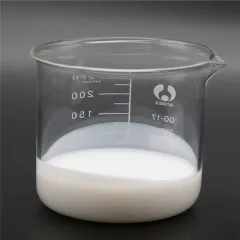
( Surfactants)
Market Fads and Growth Drivers
The need for surfactants is enhancing as brand-new applications are discovered. Breakthroughs in producing processes enhance high quality and decrease costs. Testing makes sure products execute as anticipated, producing far better products. Companies adopting these innovations offer higher-quality surfactants. Consumer recognition concerning the benefits of even more effective and environmentally friendly products drives passion in those making use of sophisticated surfactants. Marketing initiatives concentrate on enlightening customers regarding the benefits of these ingenious surfactants, such as improved efficacy and decreased environmental effect.
Obstacles and Limitations
One difficulty with surfactants is their potential environmental impact. Some types, specifically non-biodegradable surfactants, can accumulate in communities, leading to pollution. Another problem is expense. Premium, environment-friendly surfactants can be expensive. Nonetheless, the benefits usually exceed the prices. Products made with innovative surfactants last much longer and perform far better. Firms need to show the worth of these surfactants to warrant the price. Safety and security problems likewise exist, as inappropriate handling or flaws can lead to health and wellness threats. Research remains to ensure risk-free usage. Clear interaction about safety builds depend on.
Future Prospects: Innovations and Opportunities
The future looks promising for surfactants. A lot more research will certainly discover methods to improve their performance and decrease environmental influence. Advancements such as bio-based and biodegradable surfactants intend to boost sustainability while preserving stability and effectiveness. As markets look for greener and much more reliable services, surfactants will play an essential role. Their capability to offer trusted and versatile efficiency makes them beneficial. New advancements may open added applications. The potential for growth in numerous sectors is substantial.
End of File
This write-up gives a comprehensive yet simple expedition of surfactants, highlighting their significance across various industries. Each section focuses on details aspects of surfactants, making sure clarity and convenience of comprehending while keeping depth and expertise. Provider
TRUNNANO is a supplier of Surfactants with over 12 years of experience in nano-building energy conservation and nanotechnology development. It accepts payment via Credit Card, T/T, West Union and Paypal. Trunnano will ship the goods to customers overseas through FedEx, DHL, by air, or by sea. If you want to know more about Chromium Oxide, please feel free to contact us and send an inquiry(sales5@nanotrun.com). Tags: Surfactants, sodium lauryl sulfate, sodium dodecyl sulfate
All articles and pictures are from the Internet. If there are any copyright issues, please contact us in time to delete.
Inquiry us